Where we are?
Rising pollution level, high oil import bill, improving battery technology, growing economy and stable Indian government makes a perfect case for the transition towards electric mobility. Appropriately, in 2017, the Government of India pledged to 100% Electric Vehicle (EV) only sale by 2030. However, after a slew of reality checks - 3% of GDP comes from oil revenue, pushbacks from manufacturer, auto-sector downturn, India seems to be aiming for 30% EV target by 2030. The merits of transition from Internal Combustion Engine (ICE) based transportation to electric engine based mobility is no brainer. Since then, we did see a large portion of the discussion on electric cars, charging infrastructure, glamorous Tesla innovative business model etc. Despite that, India sold only 3,600 electric cars in FY2019, thus indicating EV adoption as excruciatingly slow! But there is a way forward — a sustainable, viable one. Here are my thoughts on How to accelerate the adoption of electric mobility in India.
Goal: Maximize the number of people travelling (specifically urban travel) using true renewable energy source
Often times, inaccurate goal-setting leads to the confusing state of being. Indian cities are large, dense and a majority of people travel by 2 wheeler (2W) motorcycle/bike/scooter, 3 wheeler (3W) auto or by bus. ET Prime estimates a share of 60% of total urban commute to be for office. In metro cities, an average commute is estimated to be 8 km and a bus from the city fleet is utilized for 73,000 km per annum. An average 2W is used for 20-25 km per day.
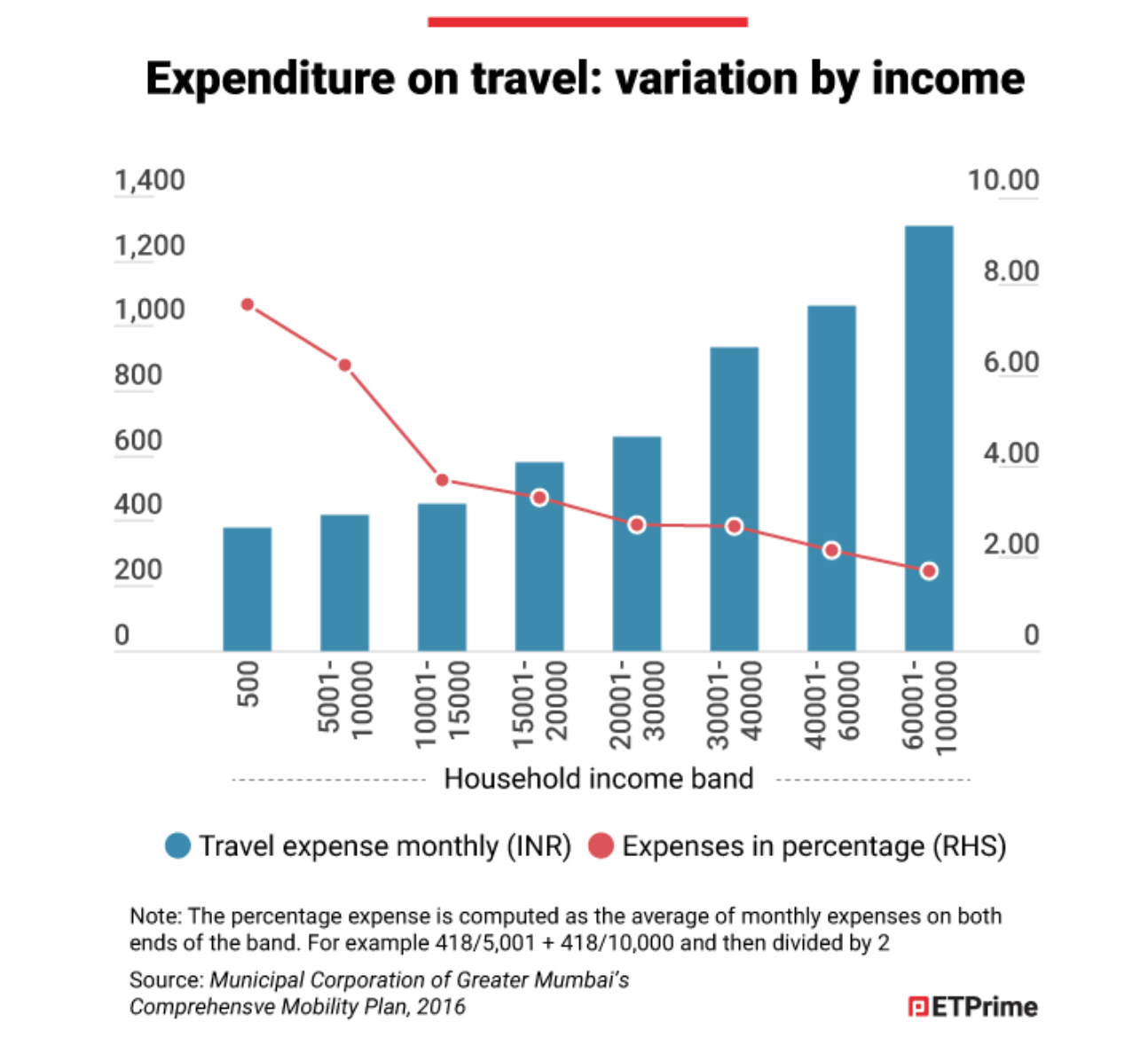
Moreover, the percentage of transportation expense to the household income is more for lower-income households. So, in due course of this article with the help of above-mentioned data set, it will make perfect sense to advocate the case of ‘electric mass transportation’.
tl;dr-employ carrot and stick in tandem
- Develop electric bus ecosystem which along with under construction metros forms the backbone for urban transportation
- Give a push to 2W, 3W (both dock and dockless) EV for short & first/last mile mobility
- Put a premium on driving ICE cars so owners are induced to adopt electric models
- Enhance battery R&D, manufacturing-assembly which will benefit renewable plants with storage and lower vehicle price of which battery is a major cost component
Multiple paths, multiple barriers
Norway, California and China are three places with an advanced level of electric mobility adoption. Norwegians buy a whopping 60% of new cars as electric which, of course, is possible due to high per capita income. Incentives such as lower tolls, preferential vehicle registration, free parking, permission to use bus lanes, set-up of extensive charging infrastructure helped extensively. California has been a pioneer for Zero Emission Vehicle (ZEV) credits system that supports the development of the electric car industry and put a premium on the manufacturing on ICE cars. Requirements are in terms of percent credits, ranging from 4.5% in 2018 to 22% by 2025. Auto manufacturers are to produce vehicles and each vehicle receives credits based on its electric driving range. Credits not needed for compliance in any given year can be banked for future use, traded, or sold to other manufacturers. But the real revolution is happening in China. In 2018, it sold more than a million electric cars (55% of worldwide sale). The path it took is akin to time tested rulebook for any industry it wants to leapfrog (same for solar panels, high-speed rail) - a.) Establish a national mandate b.) subsidize the manufacturers & nurture competition c.) create favorable policies thus inducing demand d.) mass adoption and export. The actual novelty of Chinese mobility market is the stress on the adoption of 2W and electric buses. Last year, 99% of 425,000 electric bus globally were present in China.
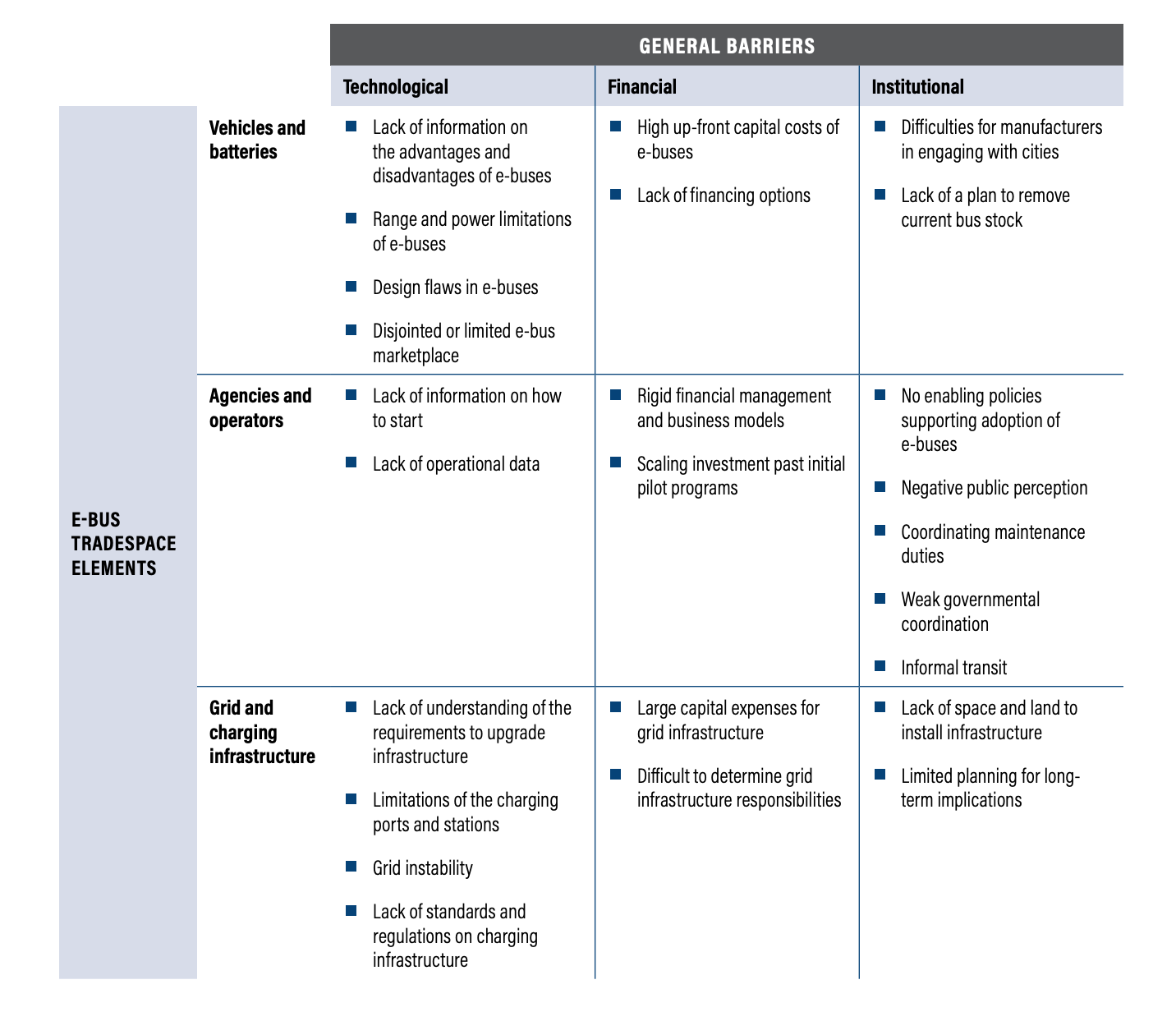
The geospatial similarities, economic realities (2010 China vs 2019 India) of Indian cities are very similar to China. However, China follows a top-down approach of central planning with high capital deployment as illustrated in two recent landmark political guidance papers - China’s AI strategy, Made in China 2025. Though India can follow and subsume a few learnings in the EV sector from China, it has to chart its own way. There has been some progress in terms of policy formulation such as Faster Adoption and Manufacturing of Electric Vehicles (FAME 1), FAME 2, national energy storage mission etc. However, the gaps at the execution, lacklustre slow policy enforcement is just widening the gaps. For example, NITI Aayog now is drawing a plan to spend INR 11,000 crore on ICE-powered buses which conflicts with the goal of electric mobility. To give a wholesome perspective, World Resource Institute has catalogued the problems plaguing the adoption of electric buses in India.
The road to be taken…
-
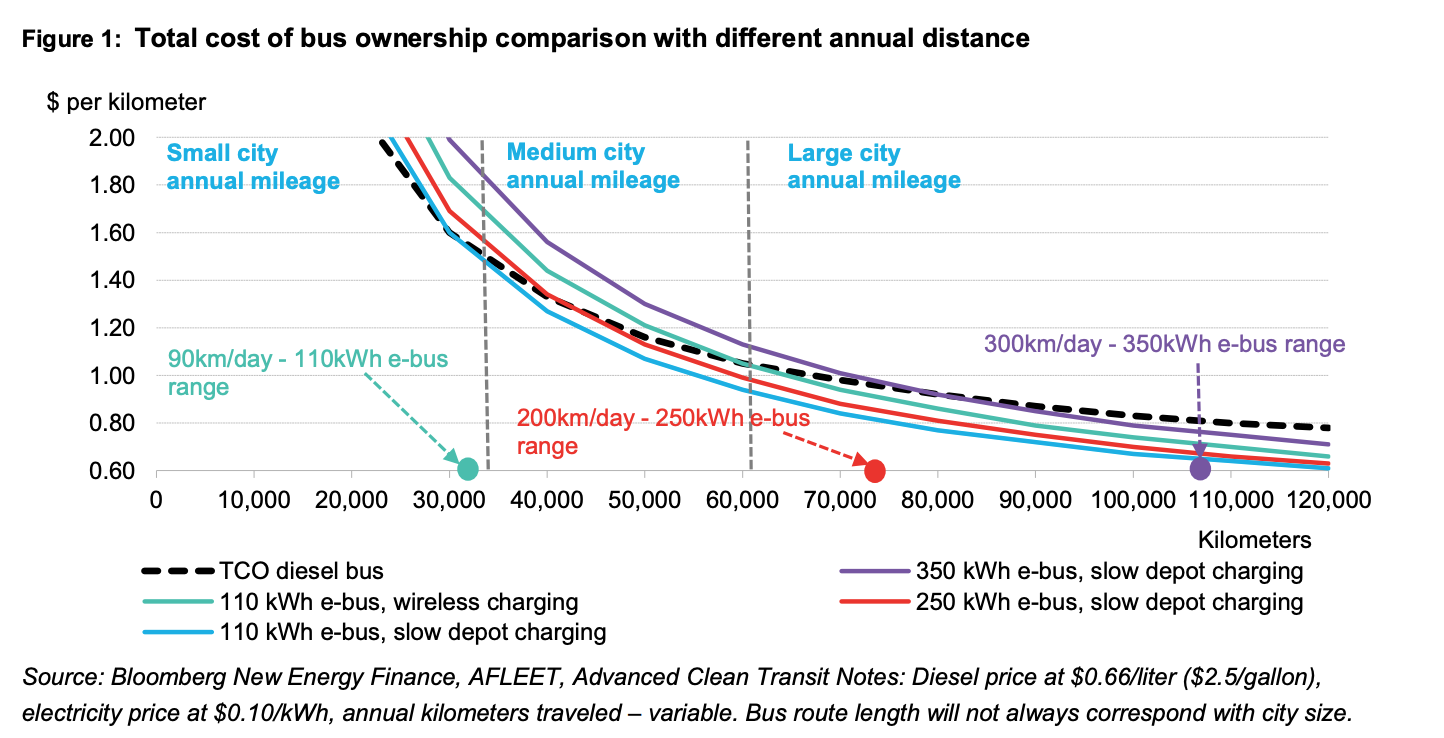
Battery prices are expected to plunge to $87/Kwh by 2025. The Total Cost of Ownership (TCO) for slow charging fleet will be cost-competitive at 30,000 km annually (less than average Indian bus utilization) by mid-2020s. Moreover, FAME 2, which is a flagship subsidy program has a corpus of mere INR 10,000 crores over three years. In comparison, the Government annual subsidy bill is INR 3,00,000 crore. Also, 92% of Indian buses are privately owned which are not supported by this program. So, increasing the amount in corpus and roping in private fleet by providing a subsidy for their battery components will help. This will substantially increase bus fleet size and simultaneously increase the demand for charging stations and making mobility sustainable.
-
Two-wheelers have been one of the mass adopted modes of transportation in urban cities. According to Ather Energy data, the average daily driven distance by users stands at 17 km on the weekday and 14 km on the weekend. The range provided by the manufacturer fits the idea of charging at night/office. However, lack of designated parking spots, the majority of people staying in apartment-style housing, charging is a real concern. So, building codes should be passed for parking bay with charging sockets. Night-time precision tariff for EV charging should be employed.
-
Indian consumers are cost-sensitive. The boom in 3 wheeler was largely fueled by the low price of lead-acid battery-powered e-rickshaw as compared to their ICE counterparts (INR 40,000 vs 1 lakh). Now India does not manufacture or assemble the lithium-ion batteries but has to import it. The estimated 120 GWh of cumulative demand during 2017–2020 would cost USD 24 billion in imported packs if a domestic industry were not developed, whereas assembling the packs in-country would require USD 15-18 billion in imported cells, while developing a USD 6–9 billion pack assembly industry in India. To enable manufacturing/assembly, which will bring down the cost of the vehicle, the government needs to acquire the rights to mine abroad as the needed elements are scarce. Moreover, domestic electric bus manufacturing should be prioritized at all cost to reap the benefits in the future.
-
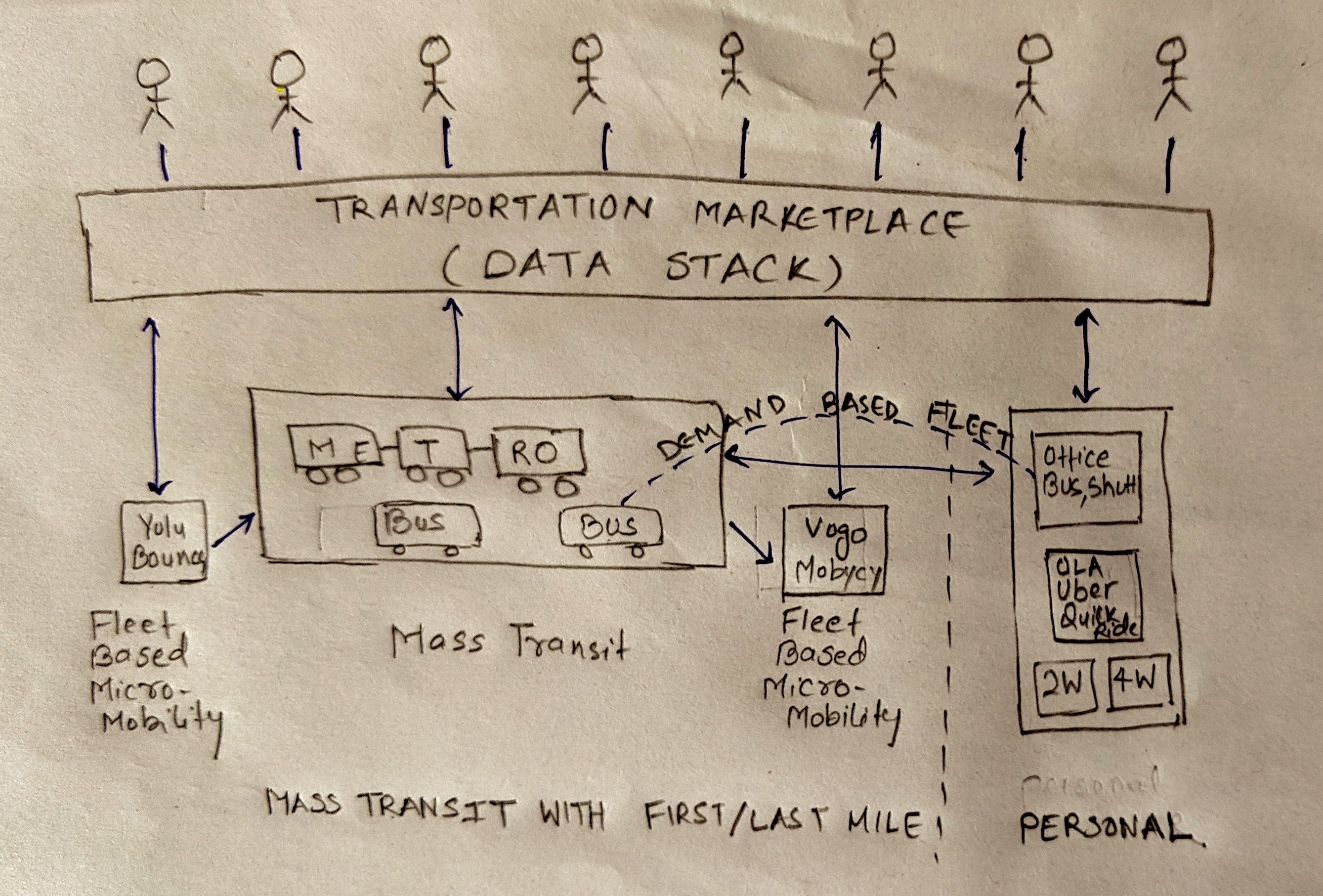
The government should open electric transport as a marketplace where along with government buses, private buses, mini-buses, 2W, 3W etc should integrate with the data stack. Uniform charging standards, open and shareable data will guide the free market to align and provide clean, competitive and cheap services. In London, despite large metro network, 62 lakh journeys are carried out by bus, out of 317.60 lakh of total daily commute. So, instead of everyone trying to win the mobility race individually, it is imperative that the stakeholders should join the force and hunt in the pack!